What Happened to LiteTouch? The History of a Discontinued Lighting System
Looking to replace your LiteTouch system? See our LiteTouch Replacement Guide for a complete overview of the upgrade process, costs, and what to expect. If you want to understand what’s actually inside the panel first, read How Does LiteTouch Work? for a breakdown of the CCU, keypads, and control modules.
If you’re searching for this, you probably have a house with LiteTouch keypads that no longer respond the way they used to, or an installer told you the system is “discontinued” and you want to know what that actually means. Here’s the real history, not marketing copy.
LiteTouch Started in the Late 1970s
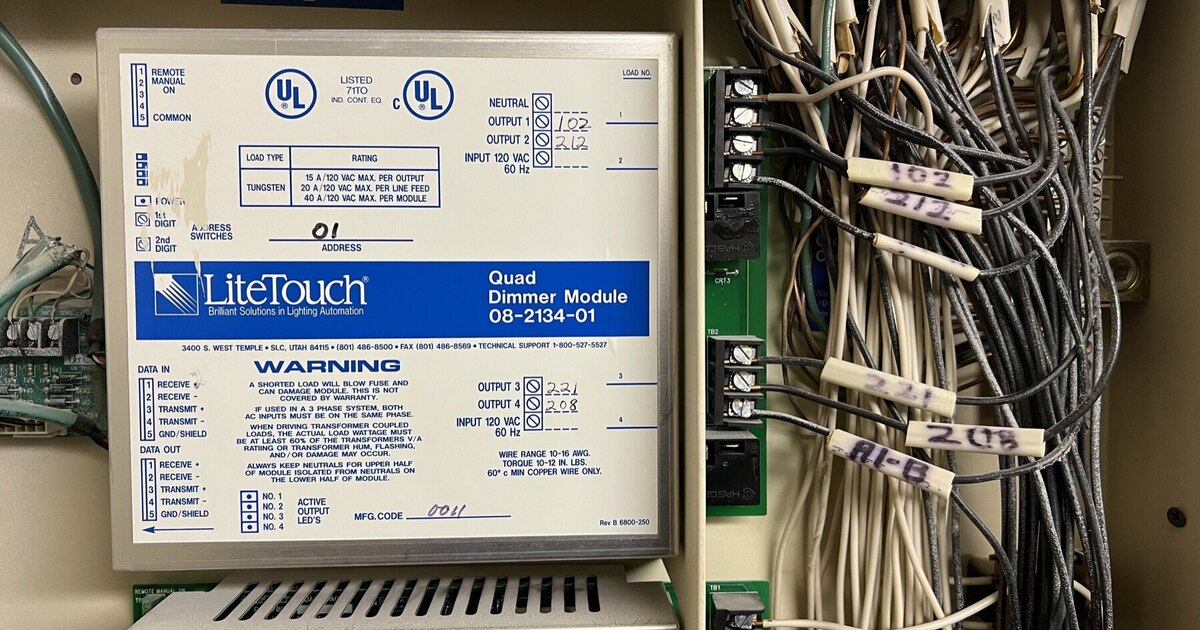
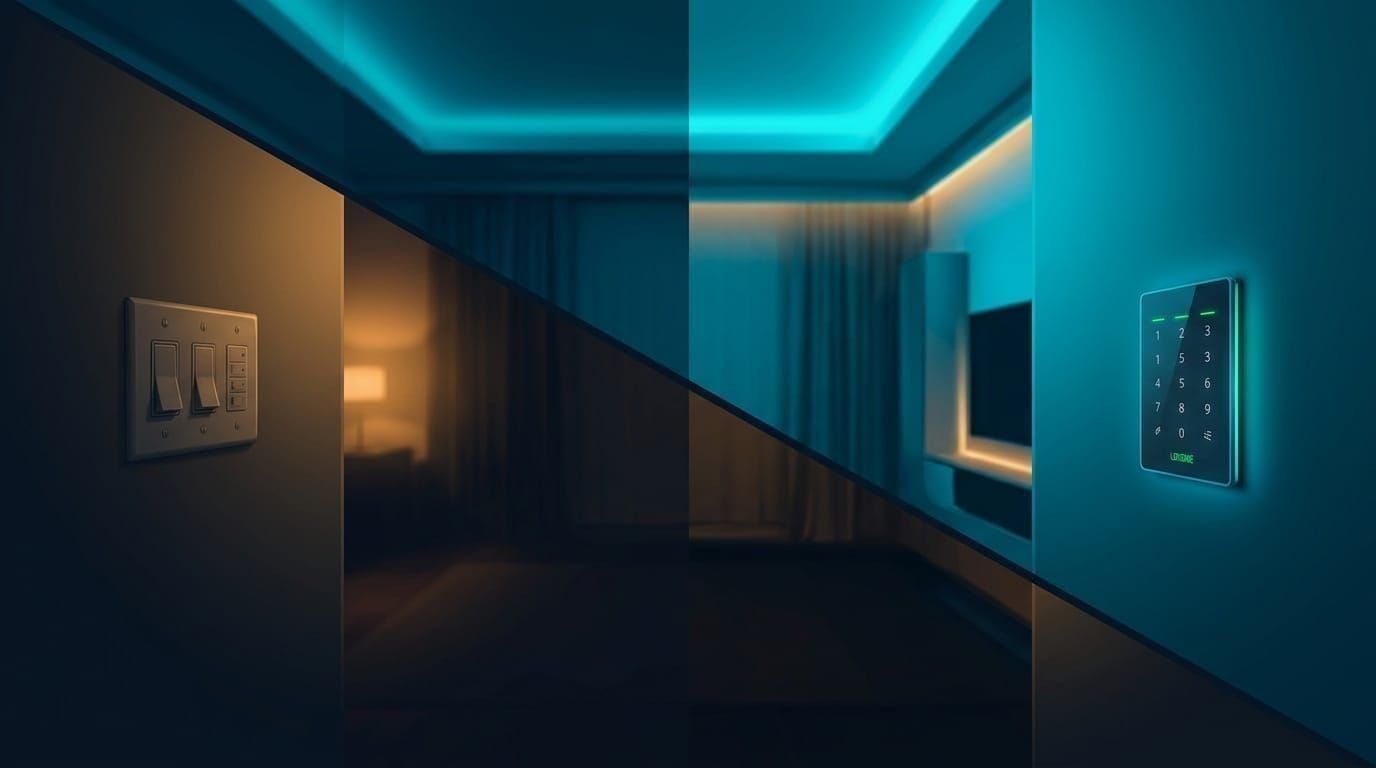
LiteTouch was one of the earliest companies to build a panelized, centrally controlled lighting system for homes — a genuine innovation at a time when “smart lighting” wasn’t a category yet. The company’s approach was straightforward: instead of wiring every switch directly to its load, LiteTouch ran low-voltage control wiring from wall keypads back to a central panel, where dimmer and relay modules did the actual switching. A house-full of light circuits could be centralized, scened, and controlled from buttons instead of a wall of individual toggle switches.
For its era, this was a meaningful architectural leap. It predates most of what people now think of as “smart home” technology by two decades. Custom home builders and high-end residential integrators in Houston and across the country installed LiteTouch systems throughout the 1980s, 1990s, and 2000s, and a large number of those installations are still physically in place today — the panels, keypads, and wiring haven’t gone anywhere, even though the company that made them has changed hands twice and no longer exists in its original form.
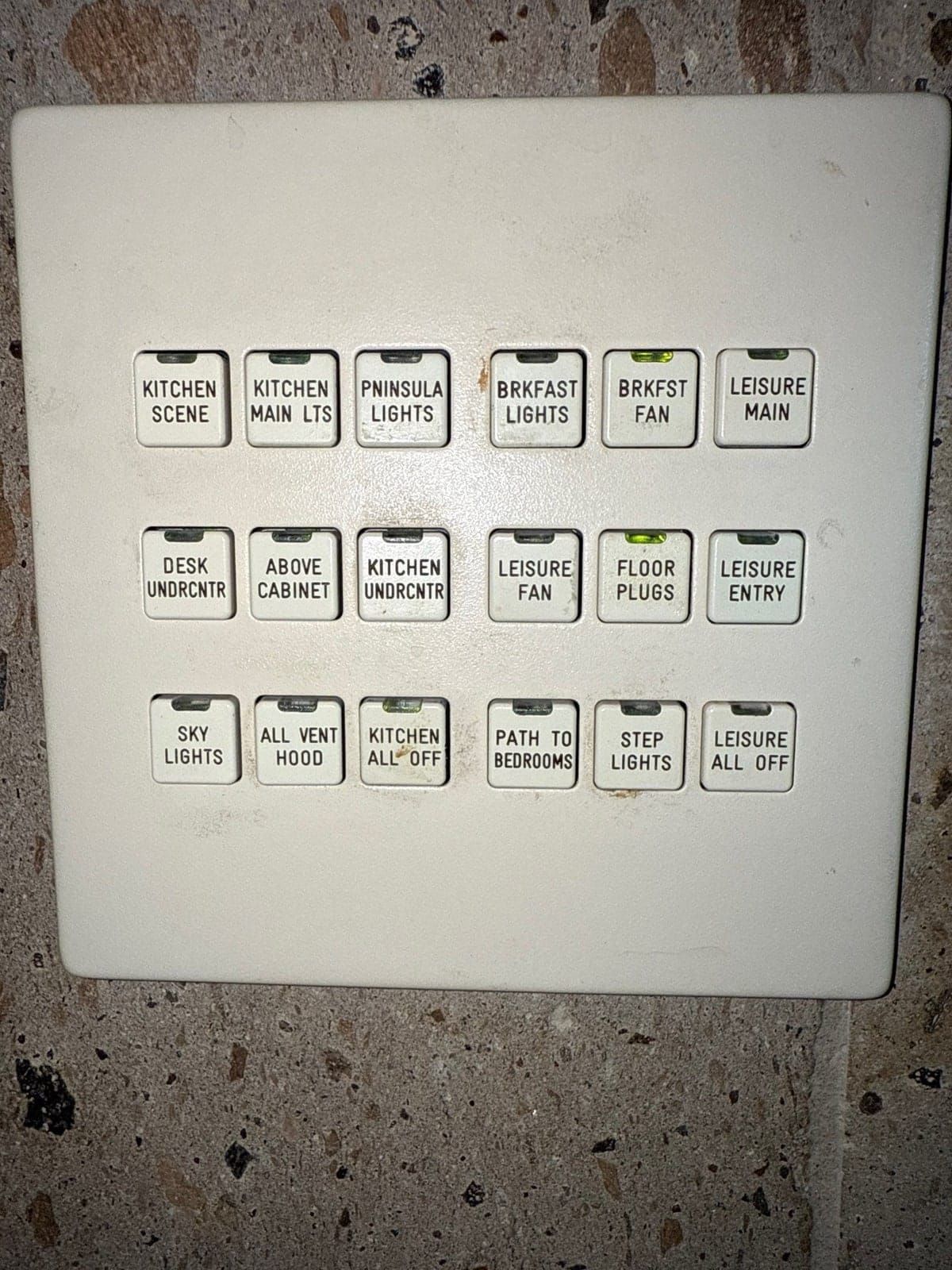
A LiteTouch keypad still running a Houston kitchen. Every button was engraved and programmed at install — which is exactly why these systems are painful to replace piecemeal.
2007: Nortek Acquires LiteTouch
In 2007, Nortek Inc. — a diversified manufacturer with a portfolio spanning HVAC, security, and home technology brands — acquired LiteTouch. This was a fairly typical consolidation move in the home automation industry at the time: larger holding companies rolled up smaller specialty manufacturers to broaden their product catalogs. Under Nortek, LiteTouch continued to be sold and installed, but it became one brand among several rather than an independent company setting its own direction.
2012: Savant Systems Acquires the LiteTouch Line
Five years later, in 2012, Savant Systems acquired the LiteTouch product line from Nortek. Savant was — and remains — a smart home automation and AV control company with its own established platform. Acquiring LiteTouch gave Savant an existing base of dealers and installed systems, but LiteTouch’s hardwired, panelized, keypad-driven architecture sat outside the direction Savant’s own platform was heading.
This is the point where things started to look uncertain for LiteTouch owners, even if most of them didn’t know it yet. A product line that gets absorbed into a company with its own competing platform is rarely a long-term priority for that company’s engineering roadmap.
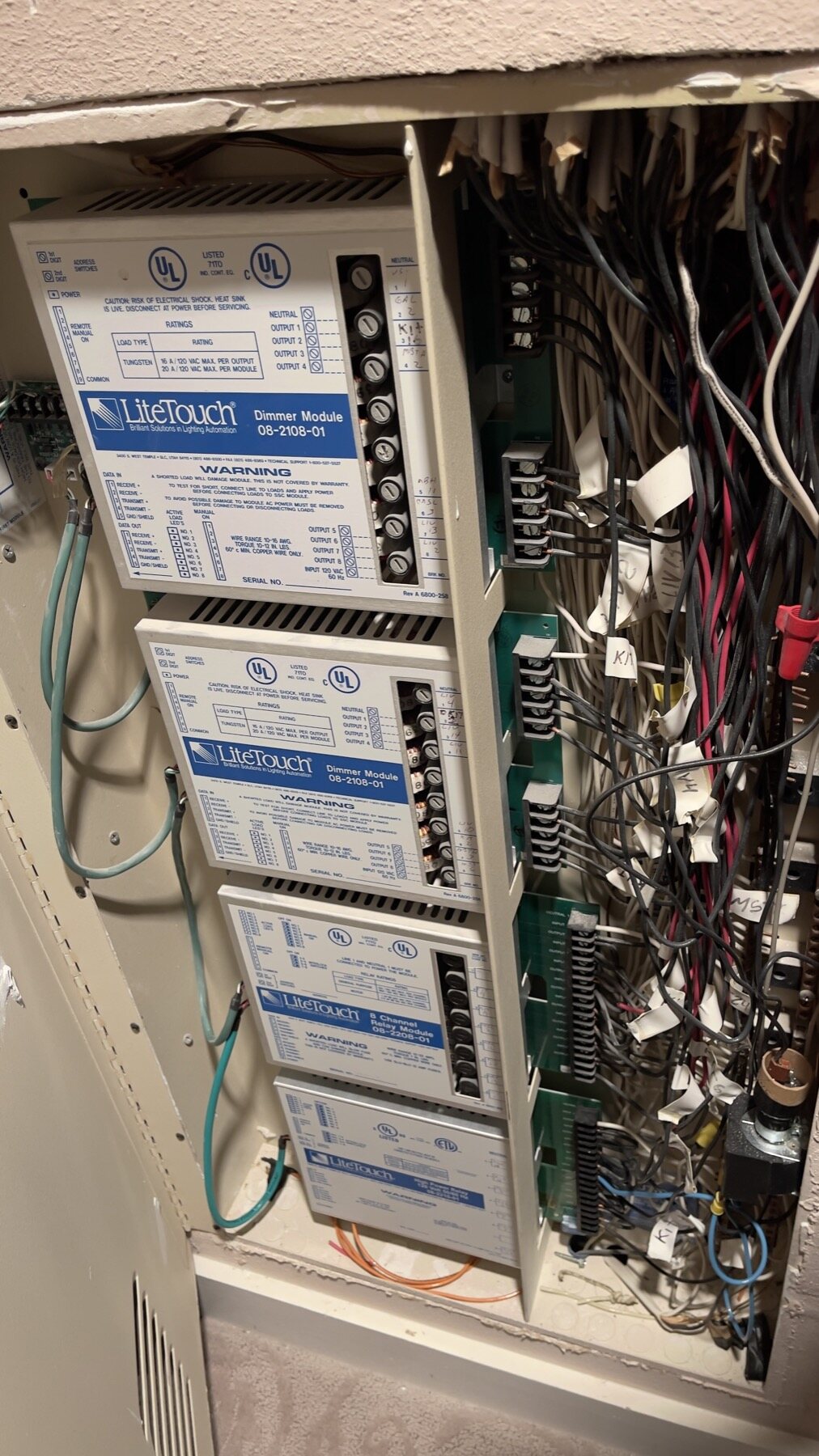
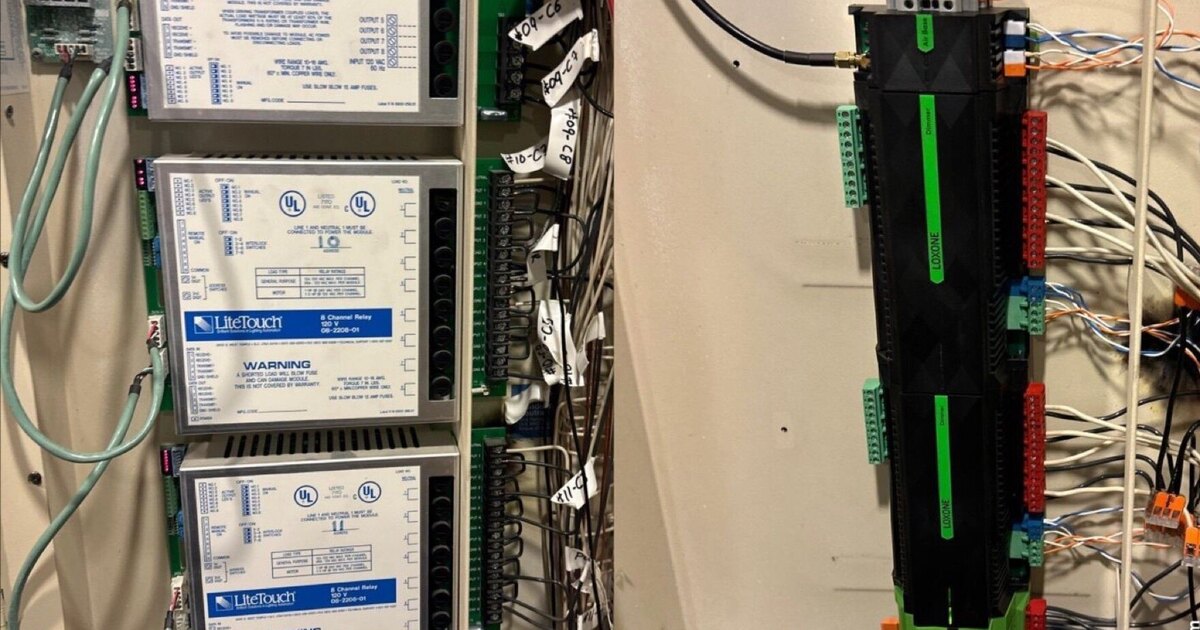
The acquisition is visible in the hardware itself: original LiteTouch dimmer and relay modules sharing an enclosure with a Savant-branded unit. Panels like this are common in homes serviced during the transition years.
2015: LiteTouch Is Discontinued
In 2015, Savant discontinued LiteTouch as a product line entirely. No new hardware was manufactured going forward, no further firmware or software development took place, and official support wound down. For homeowners with a LiteTouch system already installed, this meant:
- No new control modules, keypads, or CCUs from an authorized manufacturer or distributor
- No software updates to LiteWare, the programming tool installers used to configure scenes and keypad button assignments
- No official technical support if a module failed, a keypad stopped responding, or the system needed reprogramming
- A shrinking pool of installers who still remember the platform or have legacy programming cables and software on hand
None of this means an existing LiteTouch system stops working the day it’s discontinued. Hardwired panelized systems are mechanically simple and tend to keep running for years after the manufacturer walks away. What changes is what happens when something does fail: a burned-out dimmer module, a keypad with a dead button, a CCU that won’t hold its programming after a power event. There’s no factory number to call, no next-day replacement part, and increasingly, no local technician who’s touched the platform before. If you’re facing one of those faults right now, our troubleshooting guide walks through how to isolate it before deciding what to do next.
Why This Matters for Houston Homeowners Specifically
LiteTouch was popular in the custom and semi-custom home market during the exact years — roughly the late 1980s through the early 2000s — when master-planned Houston-area communities like Memorial, The Woodlands, and Sugar Land were building out large numbers of high-end homes. If your home was built in that window and has centralized lighting keypads instead of standard toggle switches throughout, there’s a reasonable chance LiteTouch is what’s behind the wall.
We’re a Loxone Partner since 2015 (Platinum today) — coincidentally the same year LiteTouch was discontinued — and one of the most common calls we get in Spring and greater Houston is from homeowners who’ve inherited a LiteTouch system, either through a home purchase or simply through the passage of time, and want to know what their real options are.
What the Hardware Actually Looked Like
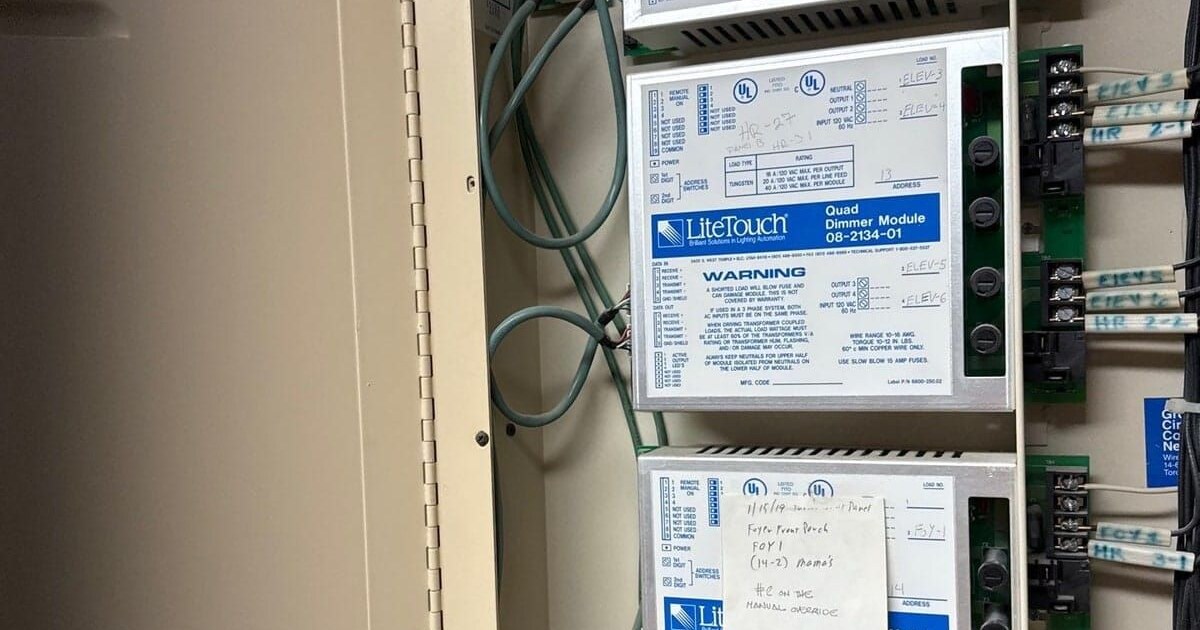
LiteTouch was a panelized, hardwired system. That’s worth understanding on its own terms, separate from the acquisition history, because it explains why replacement looks the way it does today. For a full breakdown of the Central Control Unit, keypads, dimmer and relay modules, and how LiteWare programming worked, see How Does LiteTouch Work?
The short version: a Central Control Unit (CCU) served as the brain of the system, keypads with anywhere from one to nine buttons sent signals back to the CCU over low-voltage wiring, and dimmer or relay modules housed in one or more enclosures did the actual load switching. Programming happened over a local cable connection using LiteWare software on a dedicated computer — there was no cloud, no app, no remote access, because none of that existed yet when the platform was designed.
One detail matters more than most people realize: LiteTouch keypad wiring was commonly run as 3-conductor cable, and it was typically untwisted and unshielded. Modern low-voltage control buses — including the ones used by contemporary automation platforms — generally expect twisted, shielded conductors to reject electrical noise reliably. That wiring mismatch is one of the first things any replacement plan has to account for, and it’s a major factor in how a modern migration is scoped.
Where This Leaves LiteTouch Owners in 2026
More than a decade after discontinuation, the realistic options for a LiteTouch owner are narrow. Parts that fail generally can’t be replaced with new stock. Programming changes require software that’s no longer distributed and a shrinking number of people who know how to use it. And every year that passes, the existing hardware is a year older, running on wiring standards from a different era of the industry.
For homeowners who want to understand what a modern replacement actually involves — what gets reused, what gets replaced, and what it costs — our LiteTouch Replacement Guide covers the full process. You can also get a rough sense of scope for your own home with our LiteTouch replacement cost calculator.
A Note From Us
We’re not LiteTouch, and this isn’t a sales pitch dressed up as history — it’s the actual timeline, because most of what’s written about this system online is thin. If you own one and want a straight answer about its condition or your options, book the $450 diagnostic and we’ll tell you what we see.
Ready to discuss your smart home project?
Book a free consultation — we'll discuss your goals and outline options.
Book a Free ConsultationShare this article

Founder & Mechatronics Engineer
Daniel Lopez founded Grizzly Tec in 2012 and has designed and installed 1,000+ projects (audio, video, networking, security and automation), including 50+ LOXONE projects. A mechatronics engineer by training, he holds a Texas security license (B-29733501) and has been a LOXONE Partner since 2015 and a Platinum Partner today.